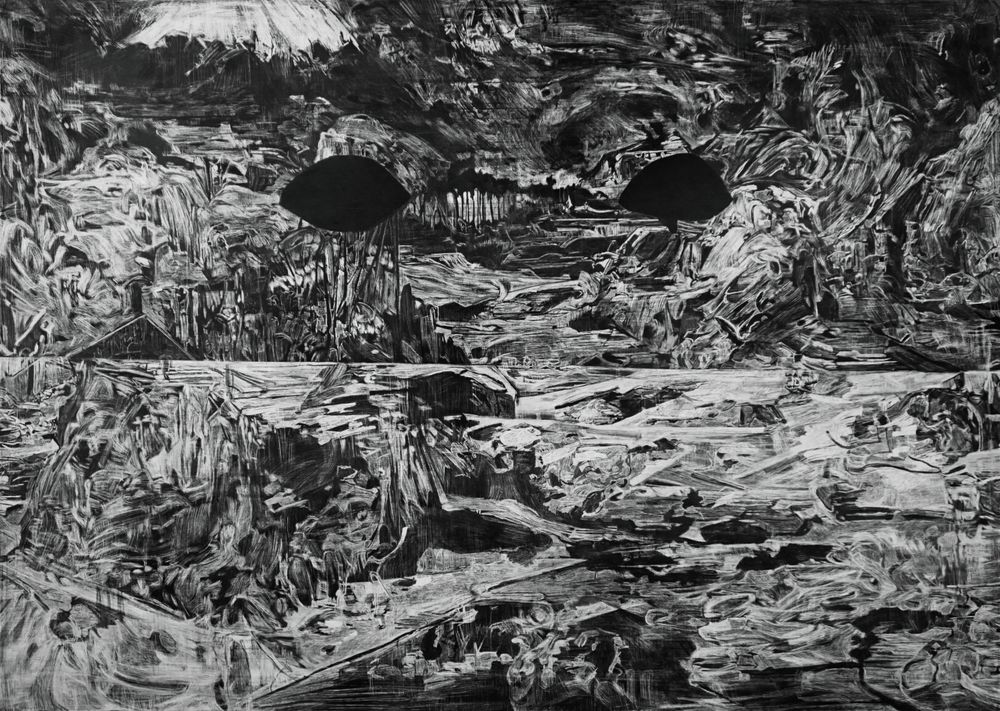
Matías Ercole understands the landscape as a territory where identity, memory, and culture intertwine. “Drawing is capable of revealing invisible structures
of the landscape and of memory,” the artist points out. His works show a world in transformation, a visual organism that seems to expand, contract, and
mutate before the viewer's gaze.
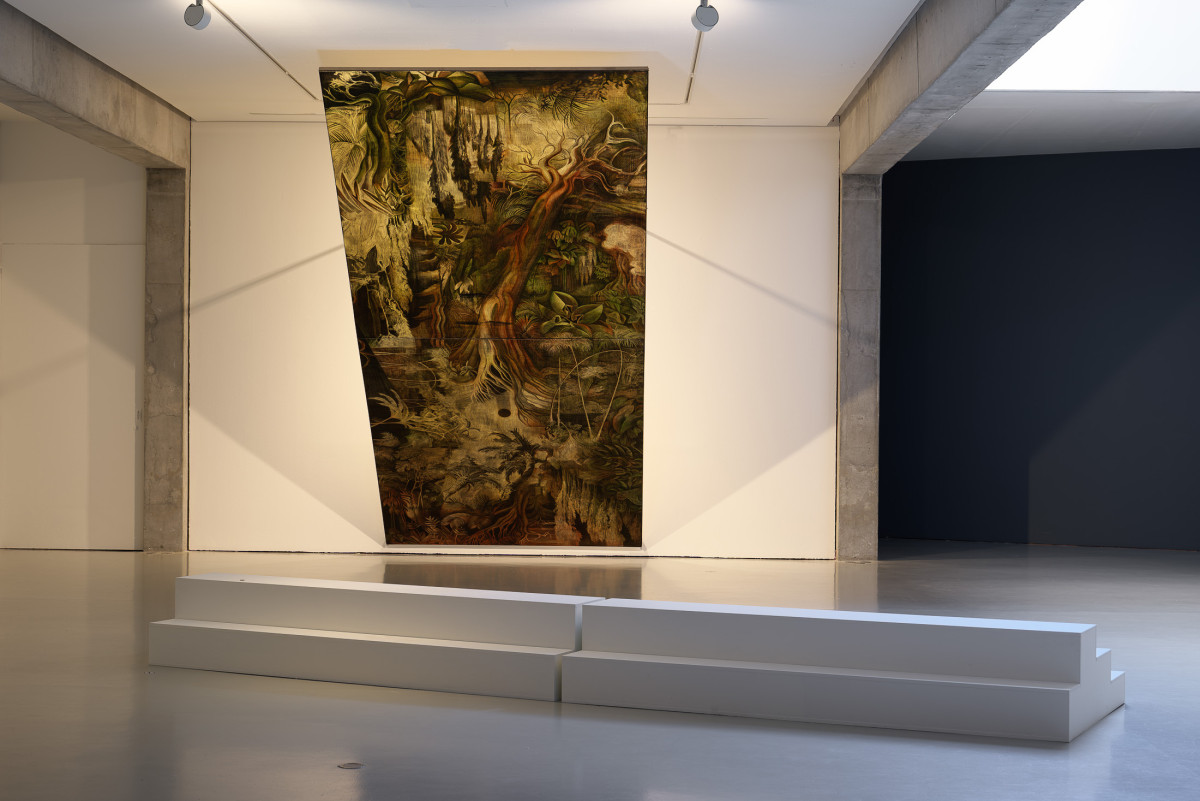
The project explores the landscape as a cultural construct: a field of frictions where the plausible, the emotional, and the symbolic coexist. The images do
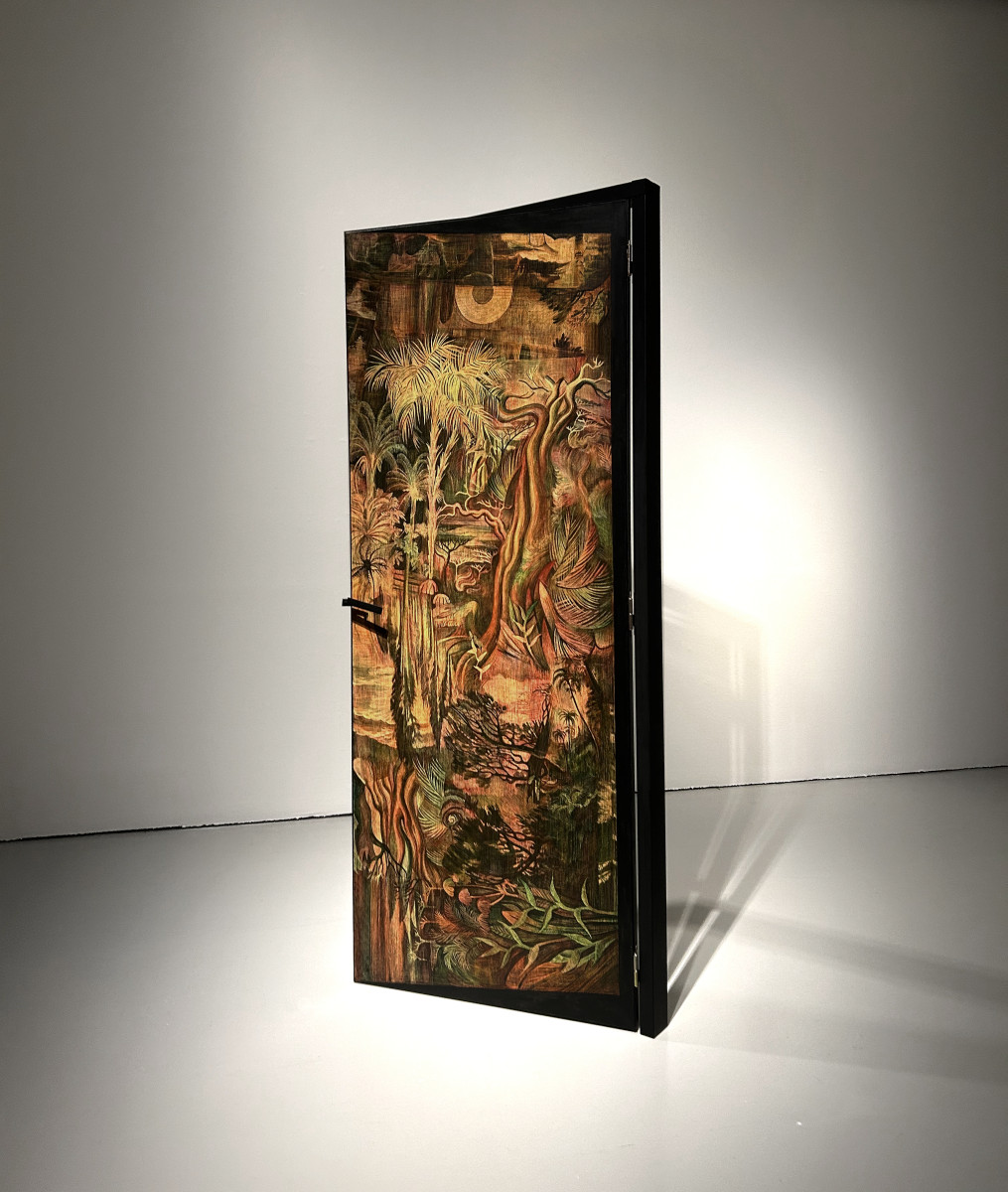
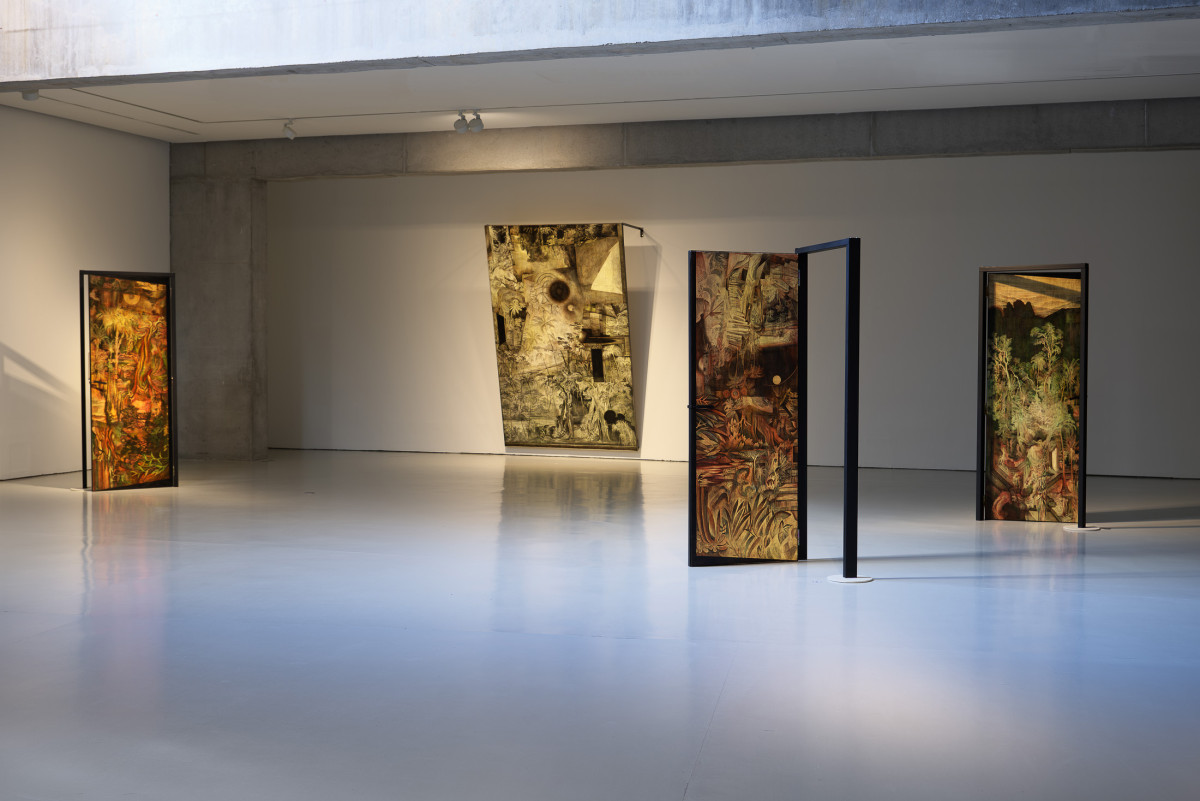
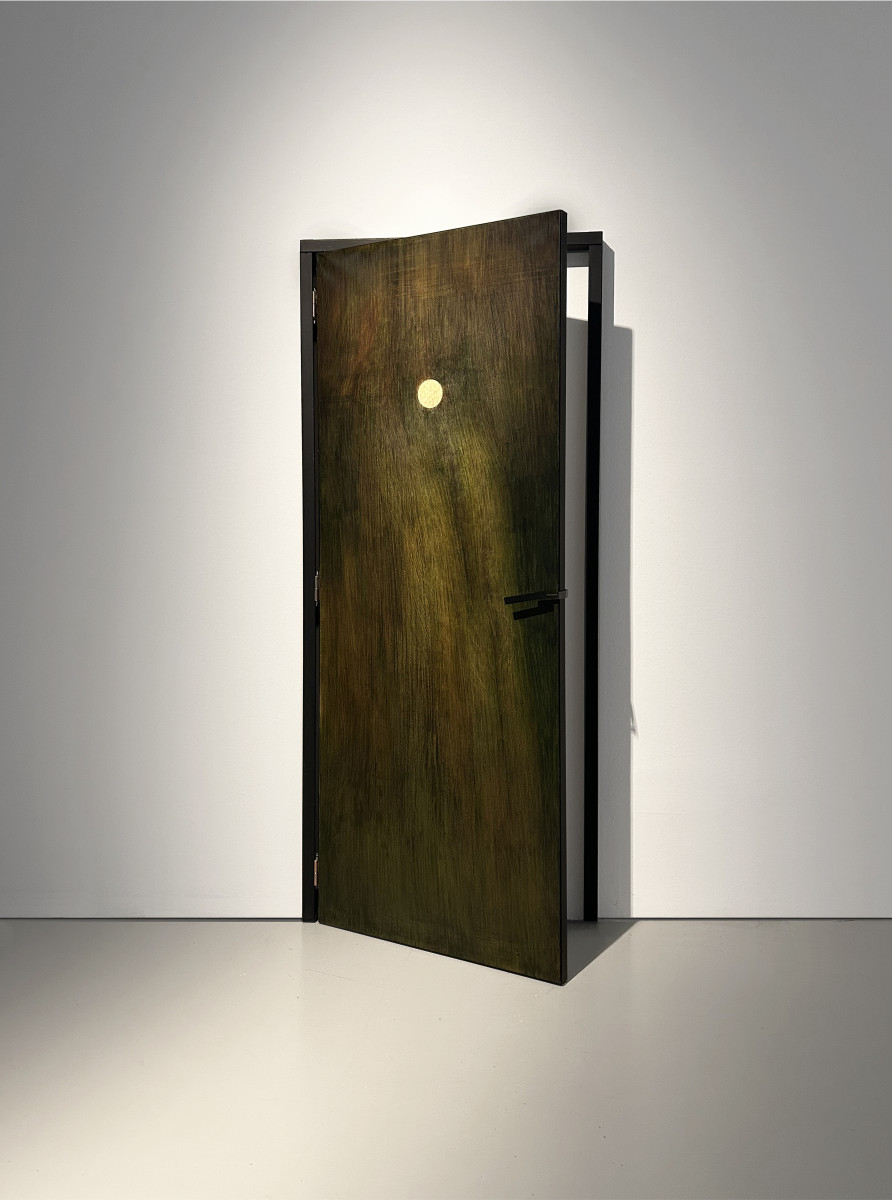
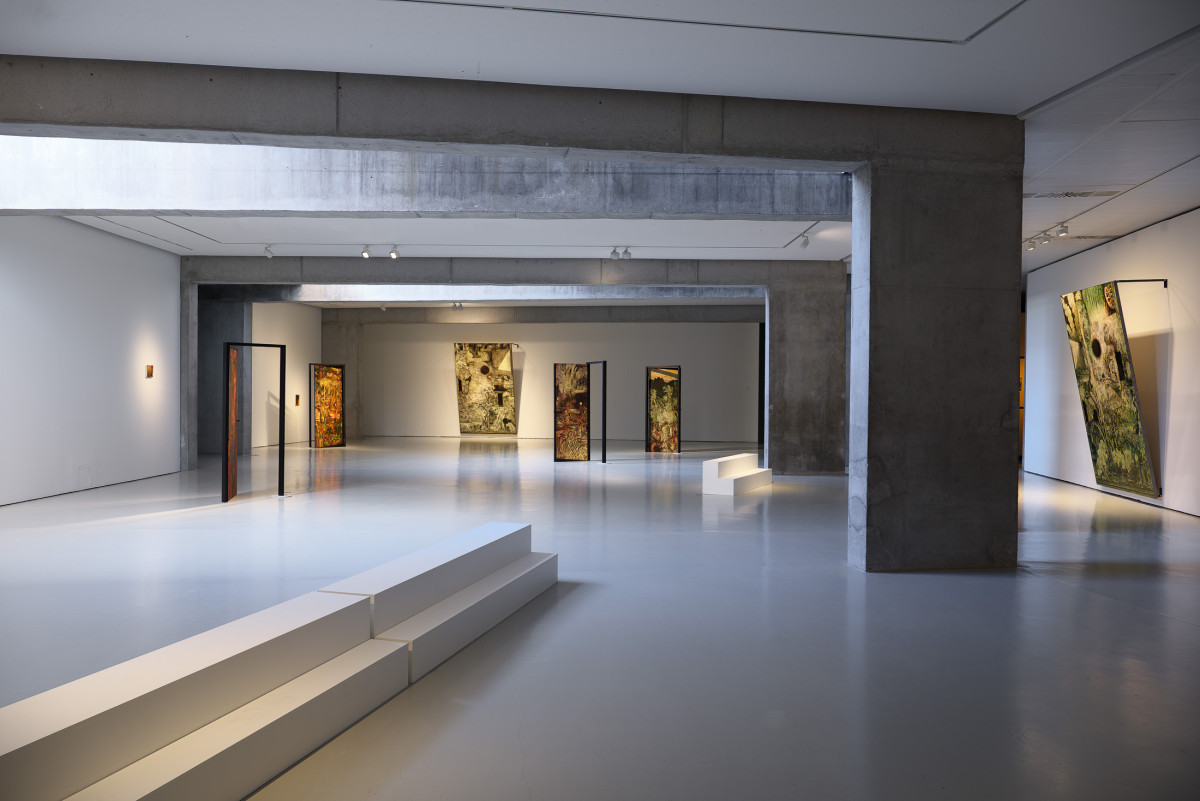
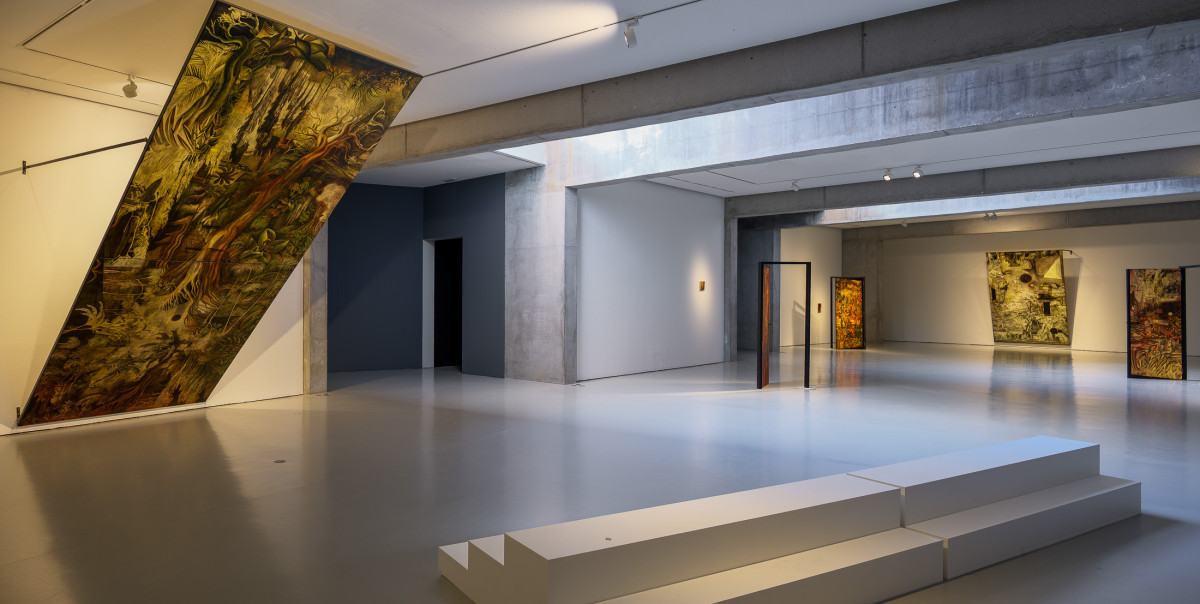
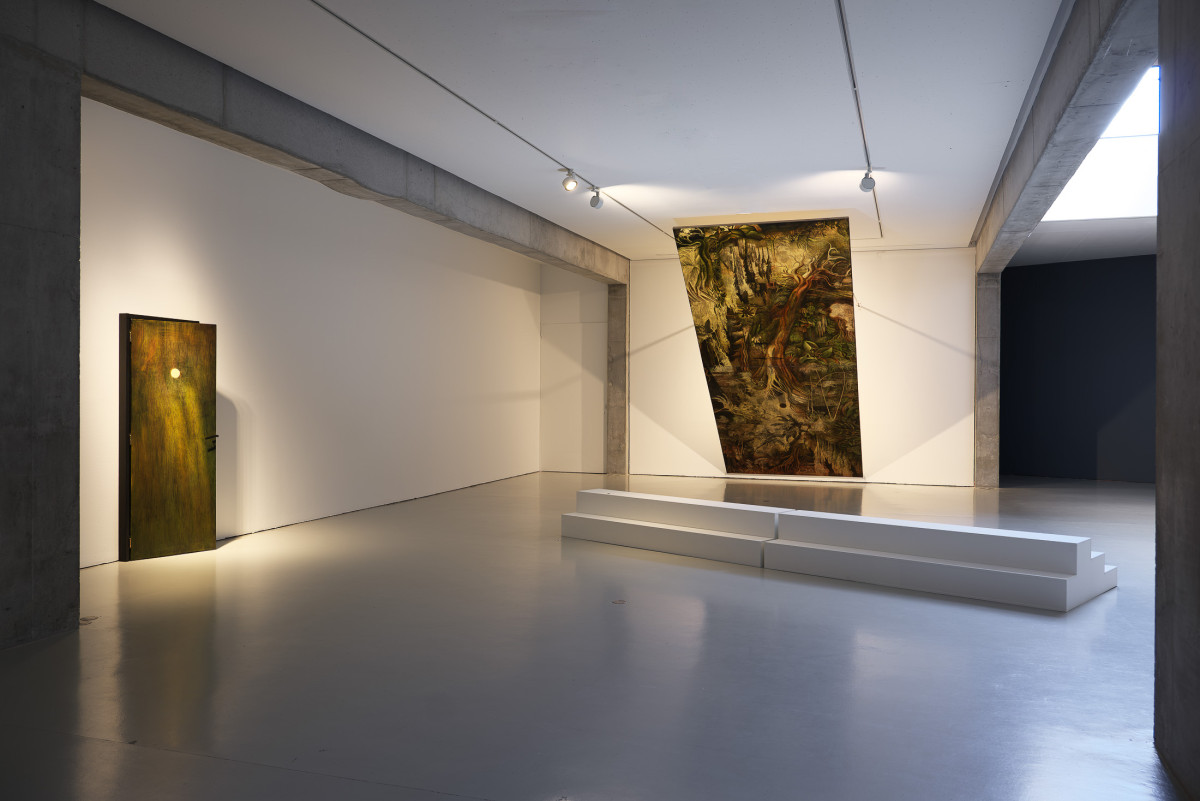
not describe a place; they question the conditions that allow us to imagine or appropriate it. At the CAB, his works acquire a decisive architectural
dimension. Displayed as walls, passageways, or fragments of an imaginary building, they transform the gallery into a journey that demands an active role
from the viewer.
Ercole employs a technique uncommon in contemporary practice: sgraffito, used as a methodology of excavation. Each incision brings to the surface
layers of light and color that alter the perception of the landscape and question the traditional codes of its representation. This gesture links Latin American
references—the wild and the mythical, from the anthropophagic imaginaries of Tarsila do Amaral to the travel records of Johann Moritz Rugendas—with
the European heritage of landscape understood as the art of order and cultural projection.